

 Academic Frontier
IF: 10.2! ROS-Responsive Exosome Hydrogel Microspheres: A New Strategy for Aerosol Treatment of Acute Lung Injury
QQ Academic Group: 1092348845
Detailed
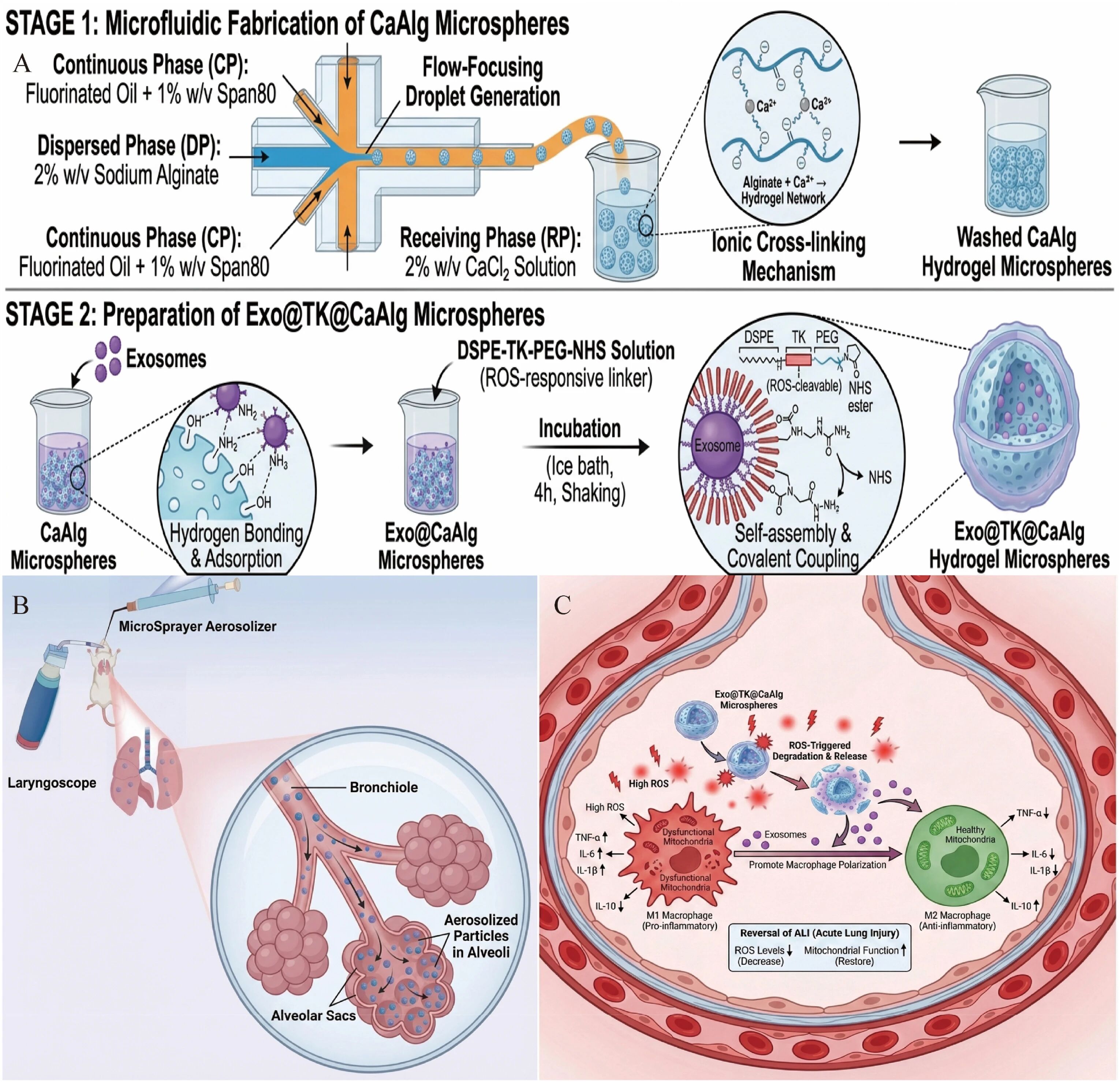
This paper investigates a novel intelligent nebulized delivery system. Targeting the pathological mechanisms of acute lung injury (ALI) and acute respiratory distress syndrome (ARDS), ROS-responsive hydrogel microspheres were developed, loaded with exosomes derived from human umbilical cord mesenchymal stem cells. This system aims to deliver directly to the lungs via nebulization to alleviate oxidative stress and inflammatory responses, thereby improving lung function and tissue repair. The relevant literature title was published in the journal Materials Today Bio.
Innovations
01
ROS-Responsive Design
Sulfur-phosphorus bonds are introduced into the microspheres, enabling them to specifically respond to and scavenge excessive reactive oxygen species, achieving targeted intervention in oxidative stress environments.
02
Aerosolized Delivery Strategy
The microspheres are small in size, suitable for non-invasive aerosol inhalation delivery, achieving efficient local administration in the lungs while avoiding systemic side effects.
03
Multifunctional Therapeutic Mechanism
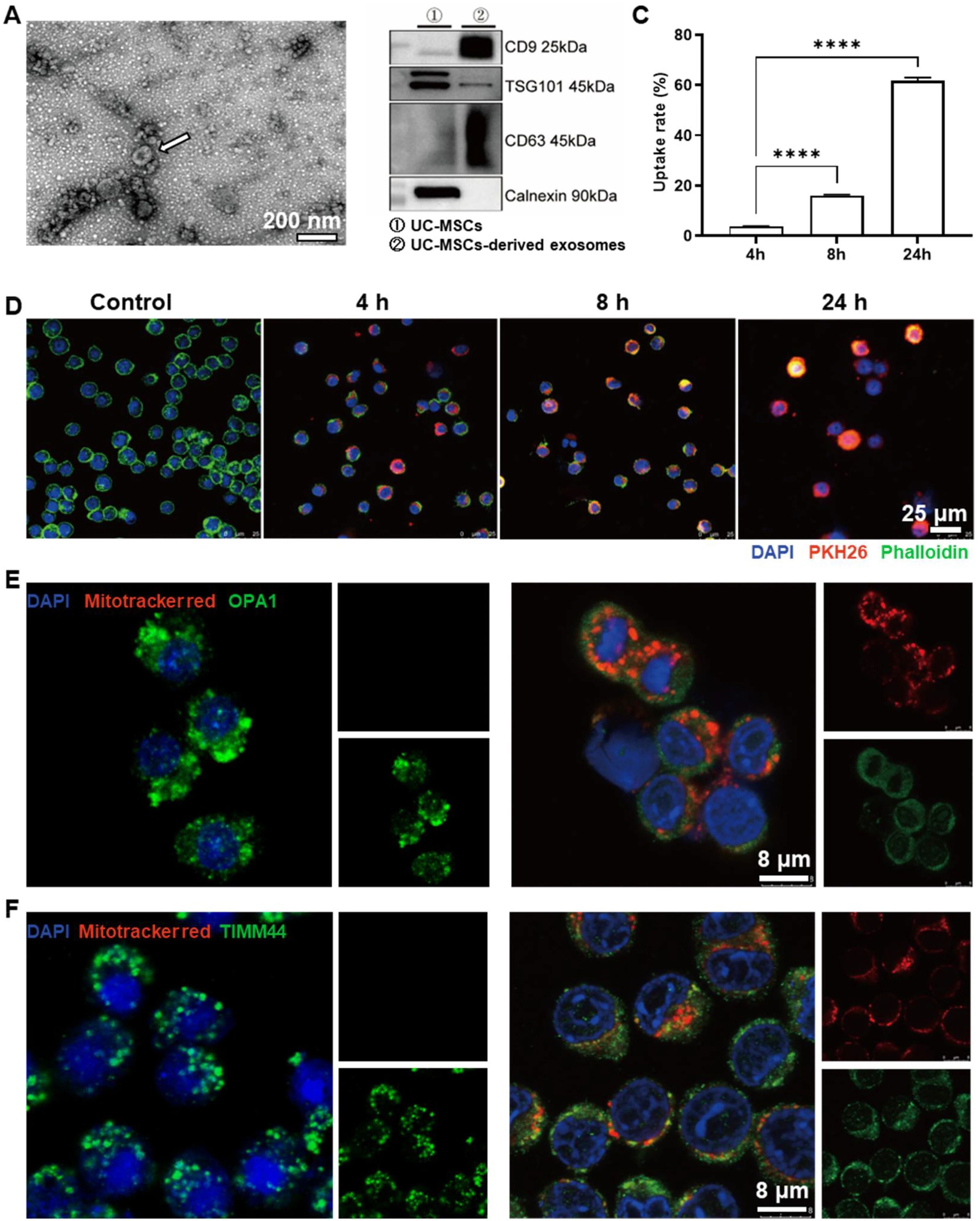
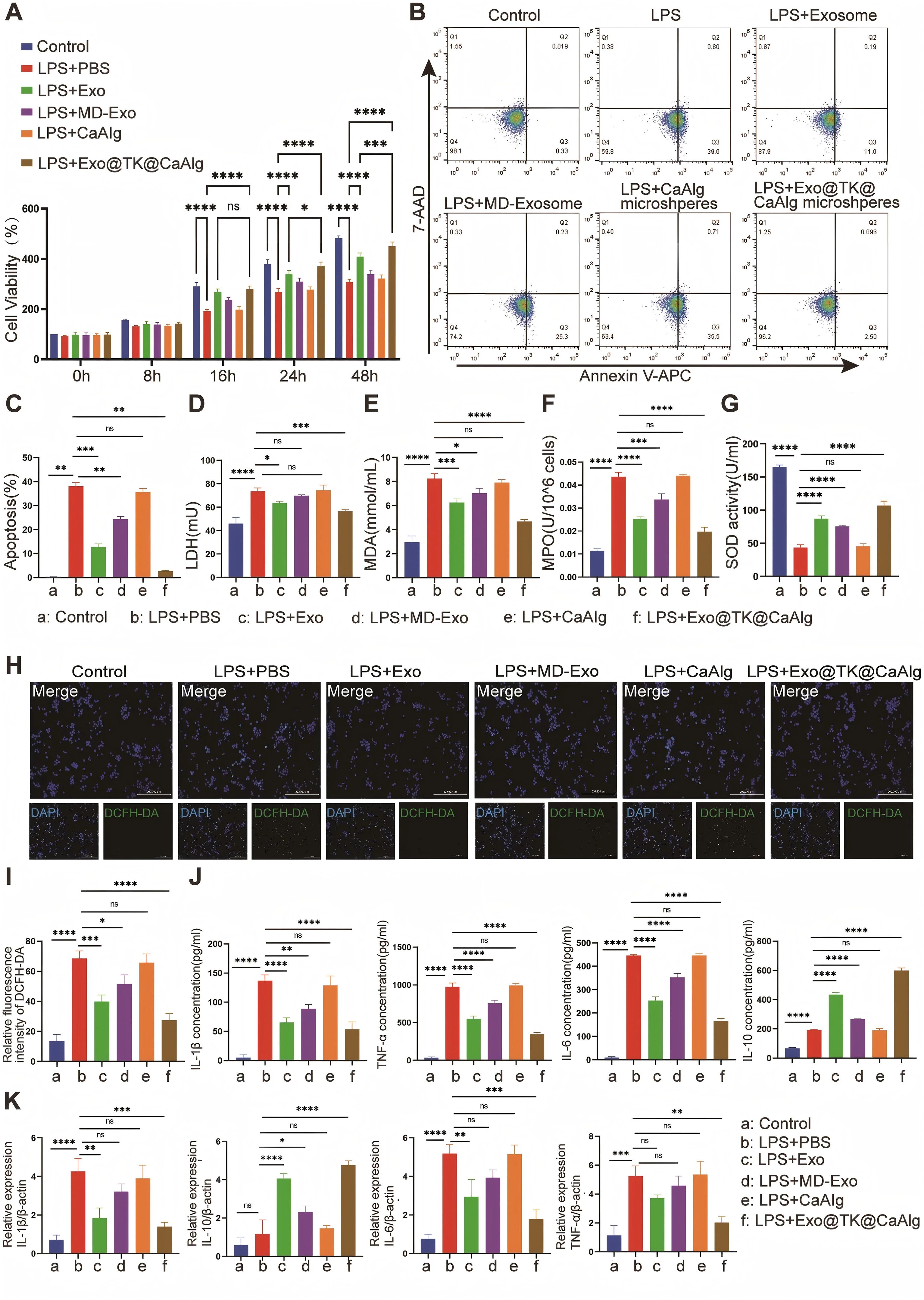
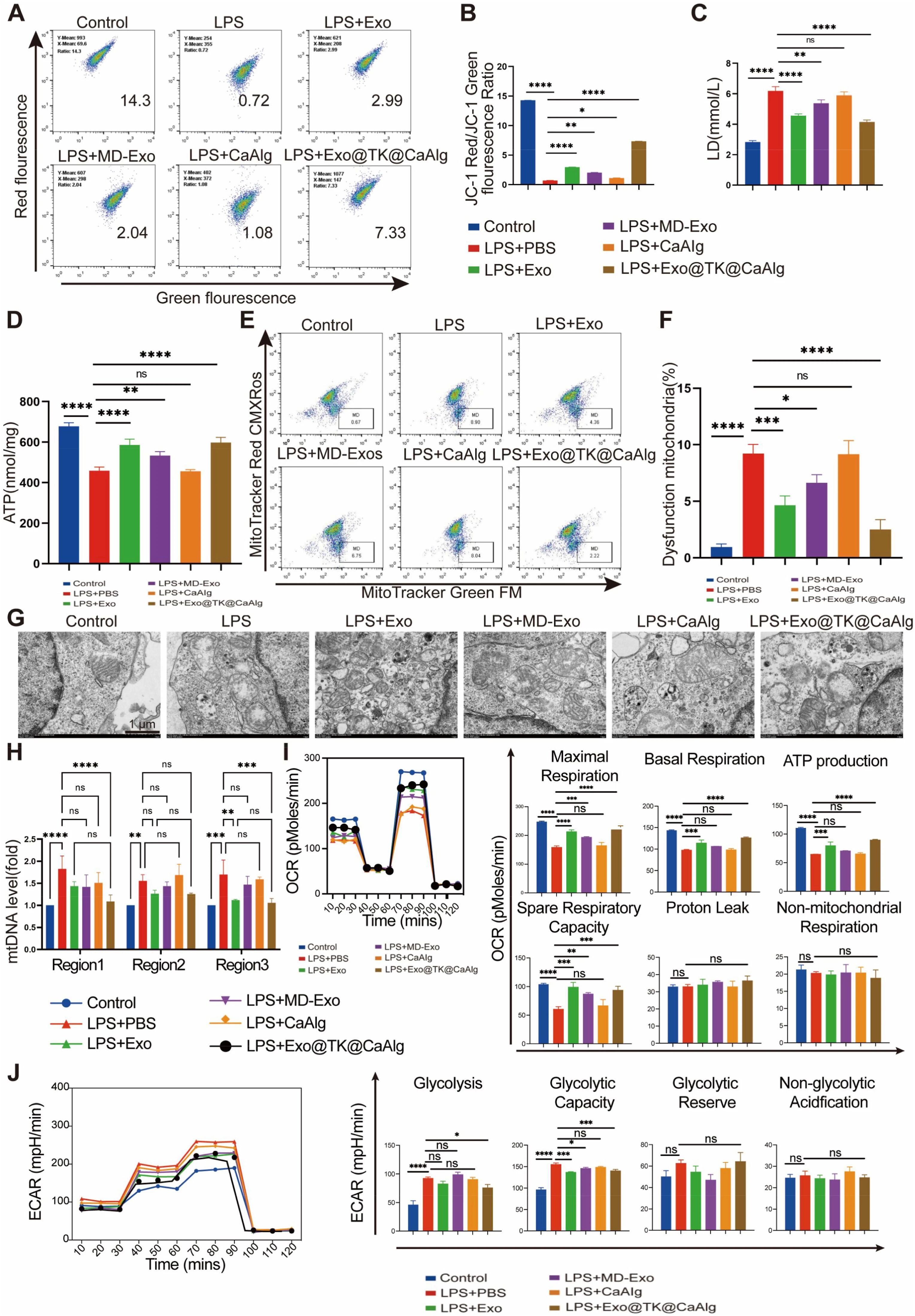
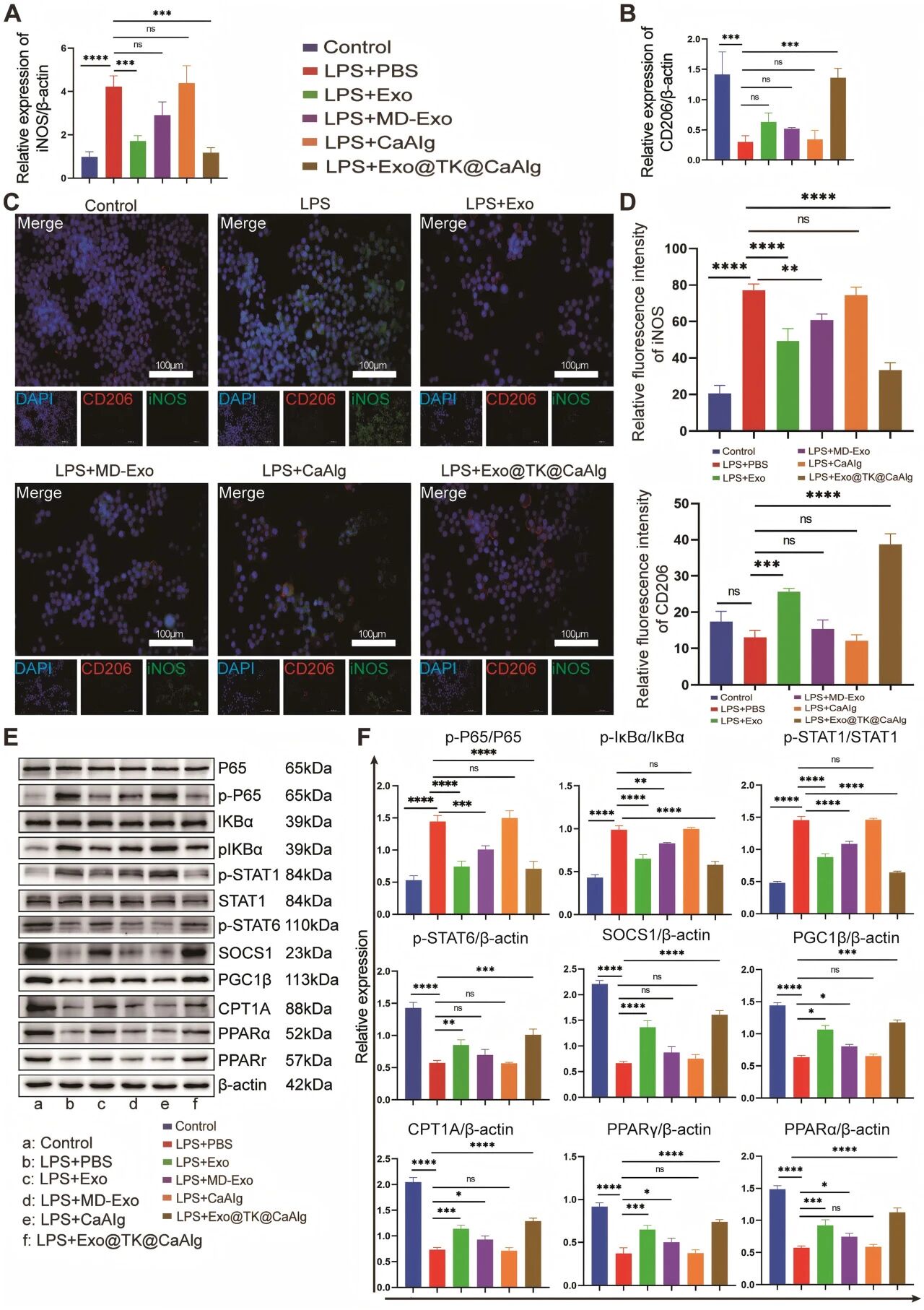
By combining the anti-inflammatory and reparative functions of exosomes, the microspheres can synergistically enhance the integrity of the pulmonary capillary barrier, reduce protein leakage, restore mitochondrial function, and promote the polarization of macrophages toward an anti-inflammatory phenotype.
Illustrated Mind Map
Material Development
Material / material
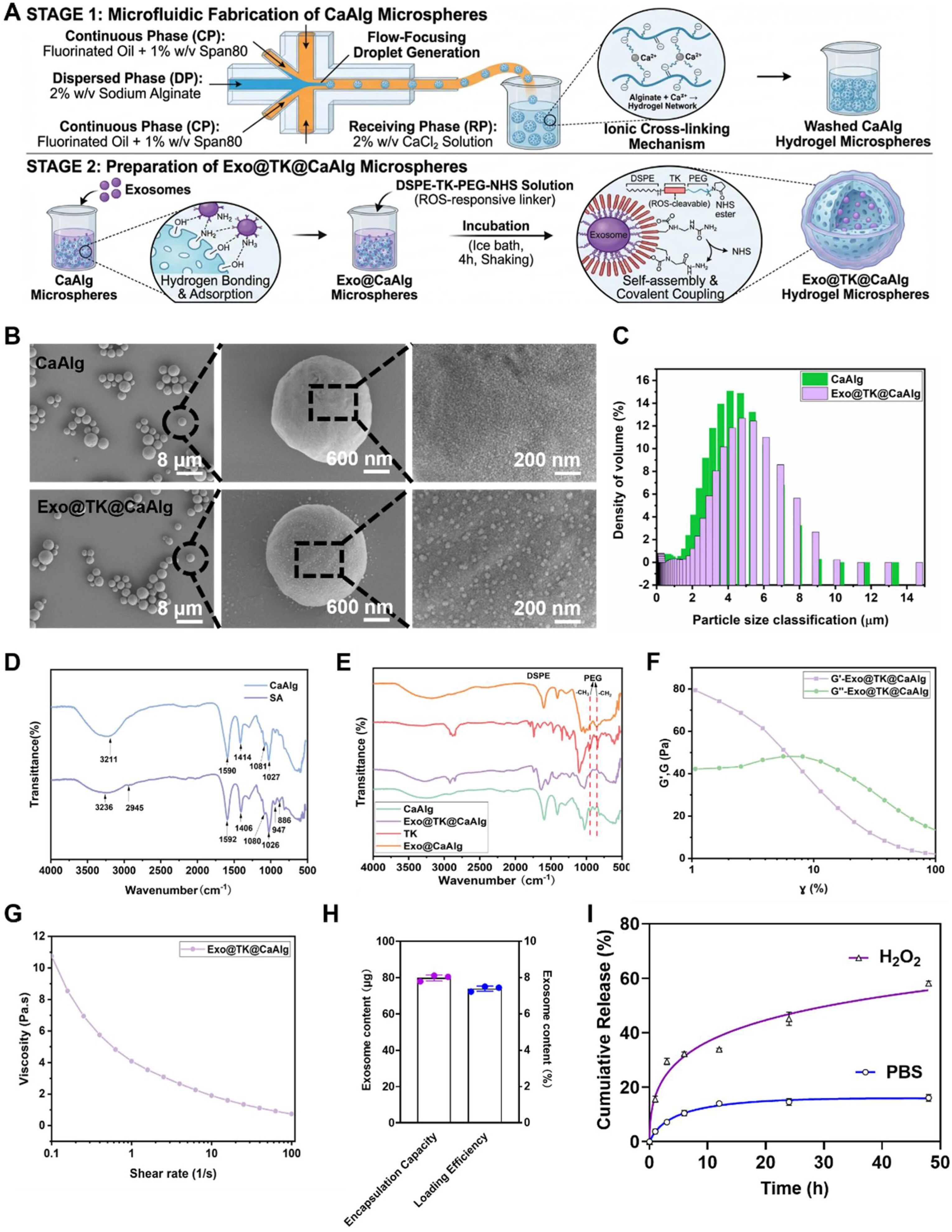
Exo@TK@CaAlg hydrogel microspheres, composed of a calcium alginate matrix modified with thio-phosphate bonds, loaded with exosomes derived from human umbilical cord mesenchymal stem cells.
Function / Function
This material has excellent ROS scavenging ability, biocompatibility, and specific responsiveness to oxidative stress, and can be efficiently delivered to the lungs through nebulization, exerting effects to alleviate oxidative stress and inflammation.
Original Source
Journal Name: Materials Today Bio
Publication Date: February 4, 2026
DOI: 10.1016/j.mtbio.2026.102868
Research Team: Chang Liu, Guoan Xiang, Yan Cao, Jianqiao Xu, Xiaoxiang Hu, Shoulong Deng, Kun Xiao, Lixin Xie
- Previous: Cell | Tumor immune di
- Next: Bioactive Materials|离子


